Sasan Gir — the last home of the Asiatic lion
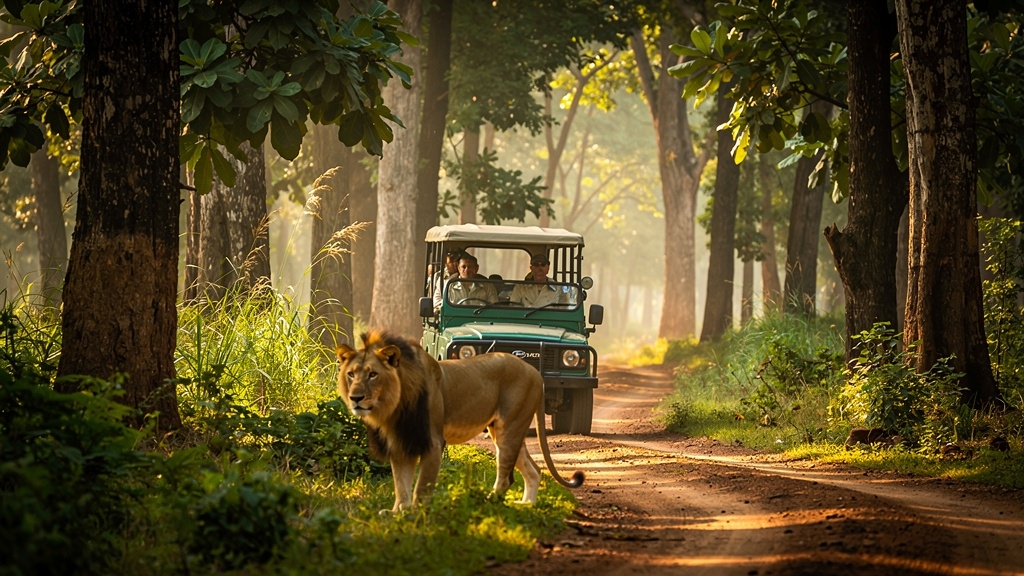
A 1410 km² protected forest where the last 700 wild Asiatic lions live. Drive in open-top jeeps through teak-and-acacia at dawn and dusk — your best chance of seeing one of the rarest big cats on Earth.
How the Gir experience works
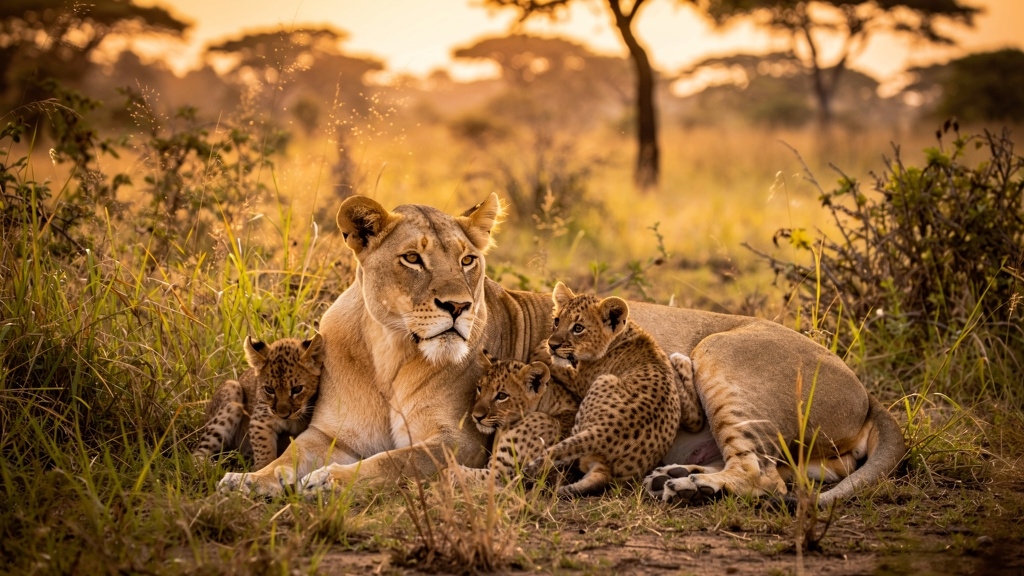
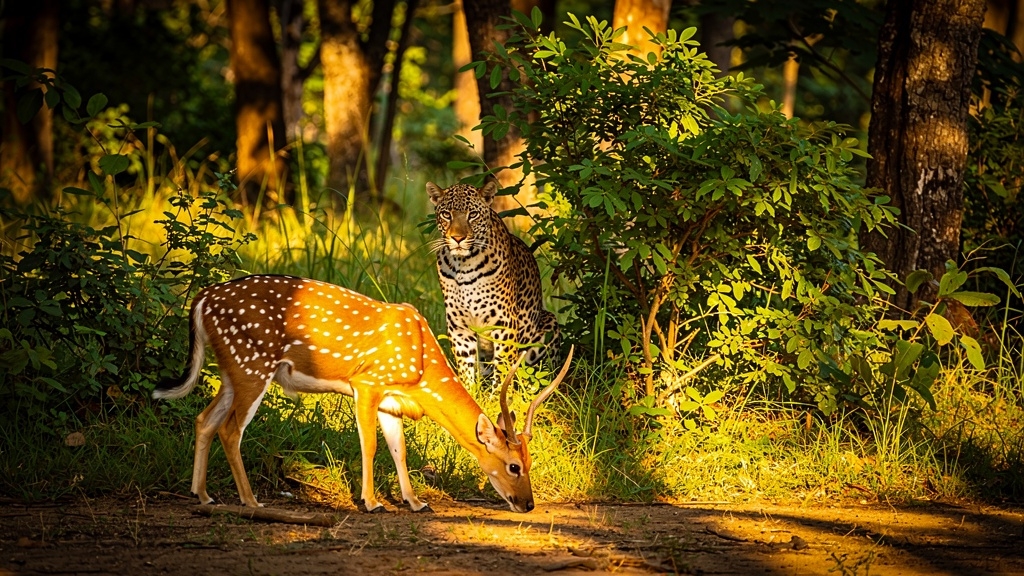
Gir is a real forest — not a zoo. There are well over 700 Asiatic lions, plus leopards, chital deer, four-horned antelope, hyenas, crocodiles and over 300 bird species. The forest is closed mid-monsoon (roughly 16 June – 15 October). Outside that window, you can book two safaris daily — an early-morning one (around 6:30–9:30 am) and an afternoon one (3:00–6:00 pm) — each splitting the park between multiple routes.
Safari permits are limited per slot and must be booked online in advance; walk-in availability is unreliable in peak season (December, January, school holidays, Easter). Each jeep takes up to six passengers. You can also do a private "gypsy" with two people.
Tips for actually seeing a lion
- Stay at least 2 nights so you get 4–6 safari windows — that roughly doubles the chance of a sighting.
- Ask your lodge/guesthouse to book the safari — they have relationships with drivers who know the routes.
- The "buffer zone" around the core park offers cheaper safaris and sometimes great sightings.
- Dress in earth-toned clothing. Carry binoculars and a bean-bag or lap cushion for the bumpy ride.
- Stay quiet at a sighting — guides are strict about it.
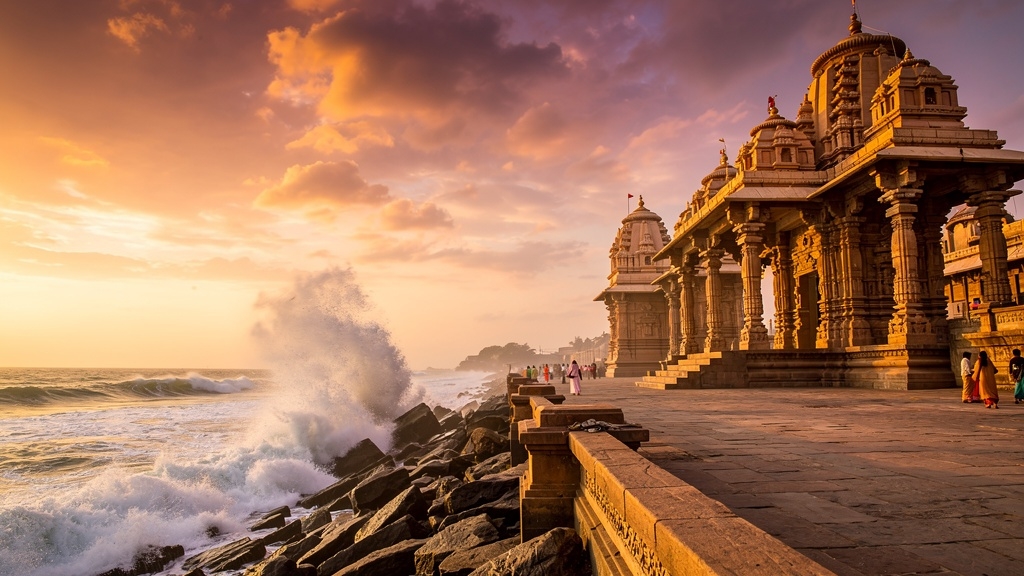
What else to pair it with

Book Gir early
Permits are limited and fill up weeks in advance for peak dates.